Discover Biophilic Architecture for Wellness Spaces
In an age where urban living often disconnects us from nature, biophilic architecture emerges as a powerful antidote. This design philosophy not only enhances the aesthetic appeal of spaces but also promotes mental and physical well-being. By integrating natural elements into our built environments, we can create wellness spaces that foster a deeper connection to the natural world.
What is Biophilic Architecture?
Biophilic architecture refers to the practice of incorporating natural elements into architectural design. This can include the use of natural materials, light, vegetation, and water features. The goal is to create spaces that resonate with our innate affinity for nature, which can lead to improved health, productivity, and overall well-being.
Key Principles of Biophilic Design
Natural Light: Maximizing daylight in a space can enhance mood and energy levels. Large windows, skylights, and open layouts can help achieve this.
Natural Materials: Using materials like wood, stone, and clay can create a warm and inviting atmosphere. These materials not only look good but also feel good to the touch.
Vegetation: Incorporating plants into a space can improve air quality and provide a calming effect. Vertical gardens, indoor plants, and green roofs are excellent examples.
Water Features: The sound and sight of water can be incredibly soothing. Fountains, ponds, or even small water walls can enhance the sensory experience of a space.
Views of Nature: Designing spaces with views of the outdoors can reduce stress and improve focus. This can be achieved through strategically placed windows or outdoor terraces.

The Benefits of Biophilic Architecture
Enhanced Well-Being
Research shows that exposure to nature can significantly reduce stress levels. Biophilic design can lead to lower blood pressure, improved mood, and increased feelings of relaxation. Spaces that incorporate natural elements can help individuals feel more at ease, promoting mental clarity and emotional stability.
Increased Productivity
Incorporating biophilic elements in workplaces has been shown to boost productivity. Employees who work in environments with natural light and greenery report higher levels of job satisfaction and creativity. This can lead to improved performance and lower turnover rates.
Improved Air Quality
Natural materials and plants can help purify the air, reducing pollutants and allergens. This is particularly important in urban settings where air quality can be compromised. By integrating biophilic design, we can create healthier indoor environments.
Connection to Nature
Incorporating natural elements into our built environments fosters a sense of connection to the natural world. This connection can lead to a greater appreciation for nature and encourage sustainable practices.
Examples of Biophilic Architecture
The Eden Project, UK
The Eden Project is a stunning example of biophilic architecture. This complex features massive biomes that house diverse plant species from around the world. The design emphasizes natural light and incorporates water features, creating a lush environment that promotes biodiversity and education.
Bosco Verticale, Italy
The Bosco Verticale, or Vertical Forest, in Milan is a remarkable residential project that integrates thousands of trees and plants into its façade. This innovative design not only enhances the aesthetic appeal but also improves air quality and provides habitats for urban wildlife.
The High Line, USA
The High Line in New York City is a transformed elevated railway that has been turned into a public park. This project showcases biophilic design by incorporating native plants, seating areas, and art installations, creating a green oasis in the heart of the city.
Implementing Biophilic Design in Your Space
Start Small
You don’t need to undertake a massive renovation to incorporate biophilic design. Start by adding plants to your workspace or home. Consider using natural materials for furniture and décor, such as wood or stone.
Maximize Natural Light
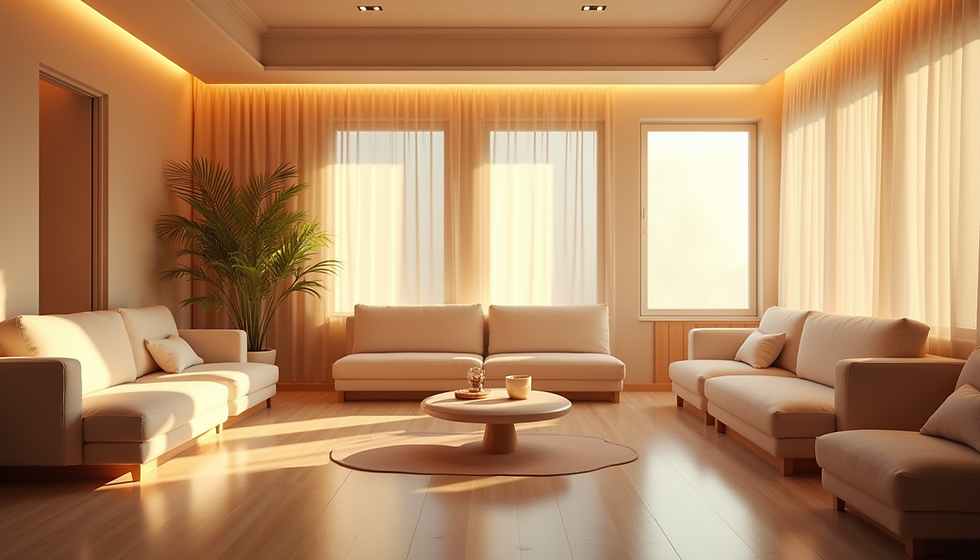
If possible, rearrange your space to take advantage of natural light. Use sheer curtains to allow light to filter in while maintaining privacy.
Create Outdoor Spaces
If you have access to outdoor areas, consider creating a garden or seating area that encourages relaxation and connection to nature. Even a small balcony can be transformed into a green retreat.
Use Natural Colors
Incorporate colors found in nature, such as greens, browns, and blues, into your design scheme. These colors can create a calming atmosphere and enhance the biophilic feel of your space.
The Future of Biophilic Architecture
As urbanization continues to rise, the need for biophilic design becomes increasingly important. Architects and designers are recognizing the value of creating spaces that prioritize well-being and sustainability.
Innovations in Biophilic Design
Advancements in technology are allowing for more innovative biophilic designs. For example, smart building technologies can optimize natural light and air quality, creating healthier environments.
Community Engagement
Biophilic architecture also emphasizes community involvement. Engaging local communities in the design process can lead to spaces that reflect the needs and desires of the people who use them. This can foster a sense of ownership and connection to the environment.
Conclusion
Biophilic architecture offers a pathway to enhance our well-being and reconnect with nature. By integrating natural elements into our spaces, we can create environments that promote health, productivity, and happiness. Whether through large-scale projects or small changes in our homes, the principles of biophilic design can lead to a more harmonious relationship with the natural world.
As we move forward, let’s embrace biophilic architecture as a vital component of our built environments, ensuring that we nurture both our health and our planet.

Comments